Why Proper Care Matters
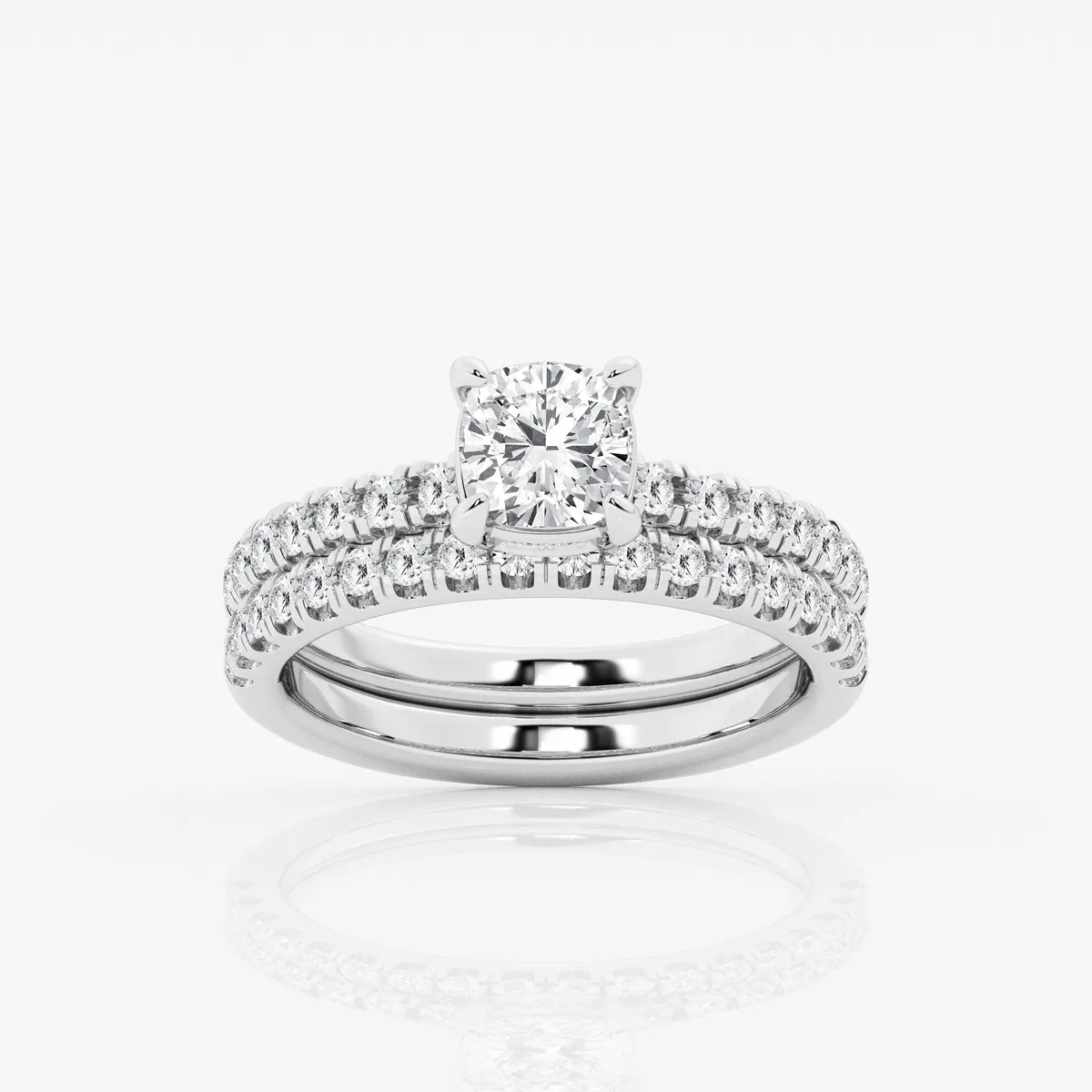
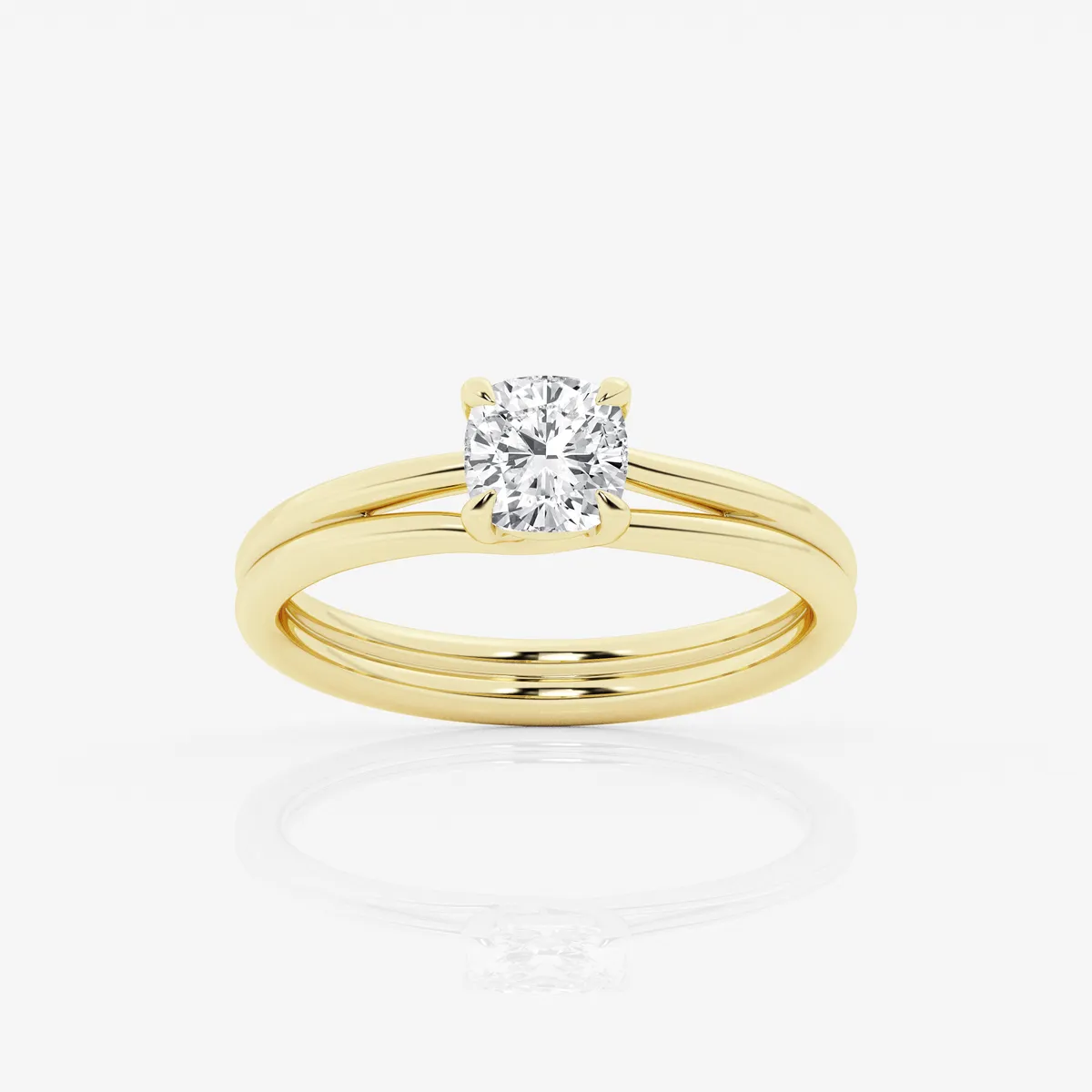
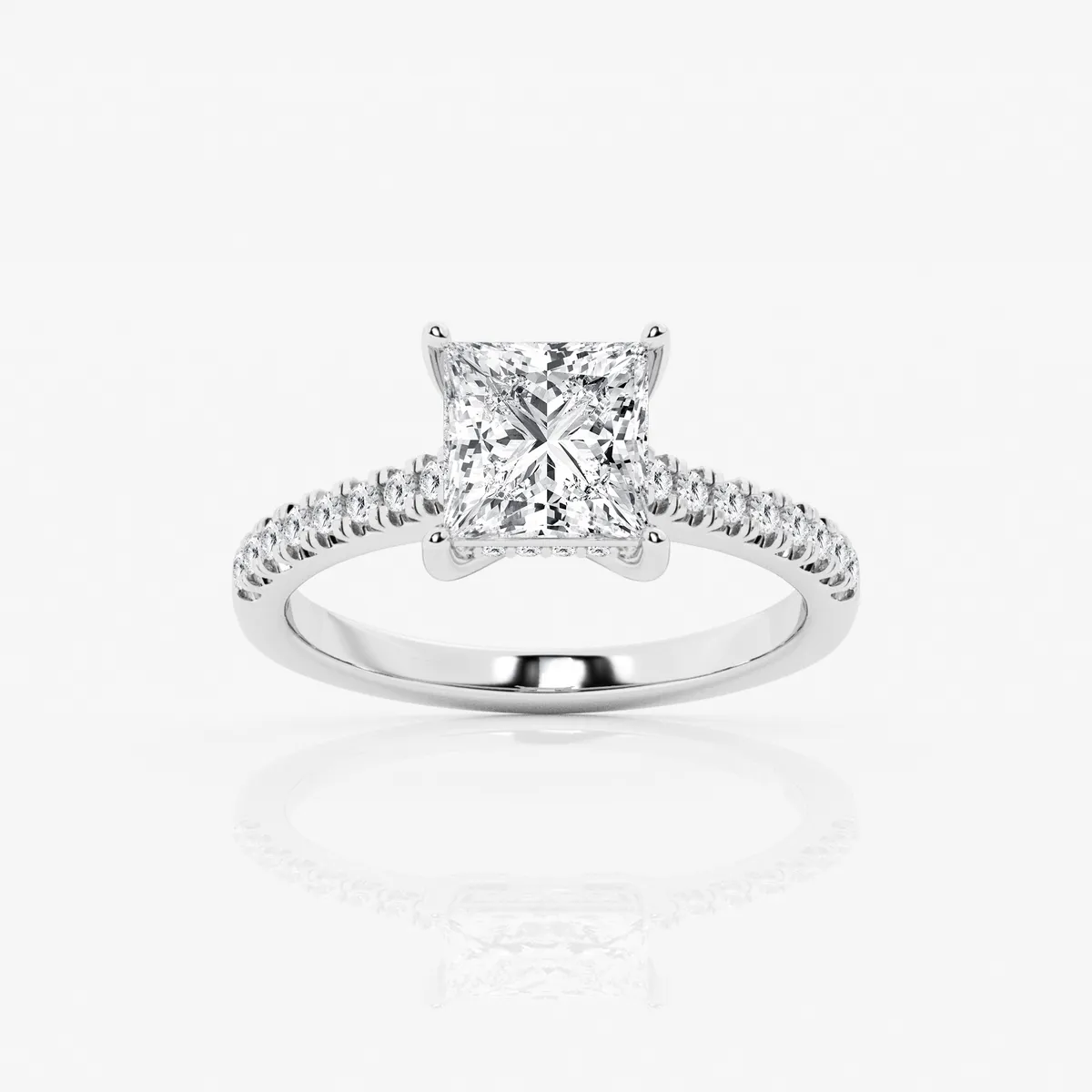
Your diamond jewelry represents not just a significant investment, but often carries deep emotional significance. Whether it's an engagement ring, anniversary gift, or family heirloom, proper care ensures these precious pieces maintain their beauty for generations.
Diamonds are incredibly durable,the hardest natural material on Earth,but they're not indestructible. And while the diamond itself is resilient, the metal settings and other components of your jewelry require regular attention to stay in optimal condition.
Why Diamonds Lose Their Sparkle
Diamonds are naturally lipophilic, meaning they attract oils and grease. Daily activities coat your diamond with oils from your skin, lotions, cooking, and more. This film prevents light from entering and exiting properly, reducing the brilliance that comes from excellent cut quality. Regular cleaning removes this buildup and restores full sparkle.
How to Clean Diamond Jewelry at Home
The good news is that cleaning diamond jewelry at home is simple, safe, and effective when done correctly. This method works for diamond engagement rings, earrings, pendants, and bracelets. According to the Gemological Institute of America (GIA), this is the safest at-home cleaning approach.
What You'll Need
- Mild dish soap (Dawn or similar,avoid anything with moisturizers)
- Warm water (not hot)
- Small bowl
- Soft-bristled toothbrush (baby toothbrush works great)
- Lint-free cloth or microfiber towel
Step-by-Step Cleaning Process
Prepare the Solution
Mix a few drops of mild dish soap into a bowl of warm water. Avoid hot water, as extreme temperatures can loosen certain settings and cause thermal shock in some gemstones.
Soak
Place your jewelry in the soapy water and let it soak for 15-20 minutes. This loosens oils, lotions, and debris that have accumulated on and around the diamond.
Gently Brush
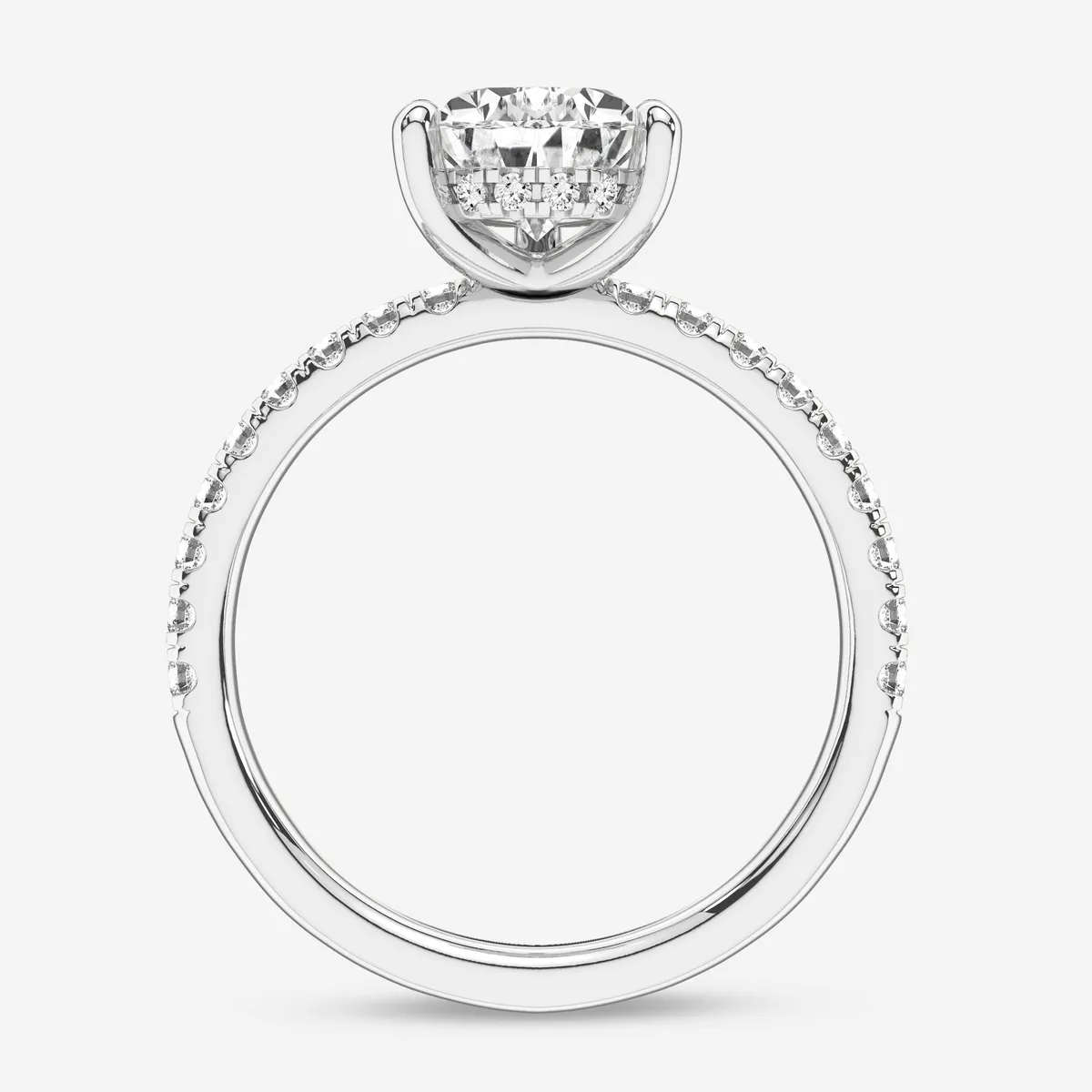
Using the soft toothbrush, gently brush around and under the diamond. Pay special attention to the back of the stone (pavilion) and underneath the setting where grime tends to collect. For hidden halo settings, brush carefully around the small diamonds.
Rinse Thoroughly
Rinse under warm running water. Important: Either close the drain or rinse over a strainer to prevent accidents. Many rings have been lost down drains!
Dry and Polish
Gently pat dry with a lint-free cloth. Allow to air dry completely before storing. For extra shine, you can breathe on the diamond (the steam) and give it a final polish.
Pro Tip
Clean your engagement ring every 1-2 weeks for best results. It only takes a few minutes and makes a dramatic difference in sparkle. A diamond that looks dull is almost always just dirty, not damaged.
What to Avoid When Cleaning Diamonds
Some common household items can damage your diamond jewelry. Avoid these:
Never Use These on Diamond Jewelry
- Toothpaste: Abrasive and scratches metal settings
- Baking soda: Too abrasive for gold and platinum
- Bleach or chlorine: Can damage and discolor metals
- Acetone or nail polish remover: Can damage certain settings
- Abrasive cleaners or powders: Scratch metal surfaces
- Ultrasonic cleaners (without professional guidance): Can worsen inclusions
Why These Are Dangerous
While diamonds themselves are extremely hard (10 on the Mohs hardness scale), the metals they're set in are much softer. Gold, platinum, and silver can all be scratched or damaged by abrasive substances. Additionally, harsh chemicals can:
- Discolor white gold and cause it to turn yellowish
- Pit and erode platinum over time
- Weaken prongs that hold your diamond in place
- Damage any rhodium plating on white gold
Proper Storage
How you store your diamond jewelry is just as important as how you clean it. Proper storage prevents scratches, tangling, and damage.
The Golden Rules of Jewelry Storage
- Store separately: Diamonds can scratch other diamonds and gemstones. Each piece should have its own compartment or pouch.
- Use soft-lined compartments: Velvet or fabric-lined jewelry boxes protect against scratches.
- Keep away from direct sunlight: Prolonged exposure can fade certain gemstones (though not diamonds).
- Control humidity: Excessive moisture can tarnish silver and some gold alloys.
- Travel cases: Use padded travel cases when taking jewelry on trips.
Storage Solutions by Jewelry Type
| Jewelry Type | Recommended Storage |
|---|---|
| Engagement Ring | Ring box with slot, dedicated ring holder, or soft pouch |
| Diamond Earrings | Separate compartments with secure closures |
| Diamond Necklaces | Hanging storage or laid flat to prevent tangling |
| Diamond Bracelets | Flat compartments, wrapped in soft cloth if necessary |
Anti-Tarnish Strips
Consider placing anti-tarnish strips in your jewelry box. These absorb sulfur and moisture from the air, helping to prevent tarnishing on silver pieces and some gold alloys. Replace them every few months for best results.
When to Remove Your Diamond Jewelry
While many people wear their engagement rings 24/7, there are times when it's wise to remove your diamond jewelry:
Always Remove Your Ring When:
- Cleaning with chemicals: Harsh cleaners, bleach, and chlorine can damage metals
- Swimming: Chlorine damages metal; cold water can shrink fingers causing rings to slip off
- Exercising/lifting weights: Can bend prongs, scratch metal, or damage stones
- Applying lotions/cosmetics: Creates buildup that dulls sparkle
- Gardening/yard work: Risk of scratches, dirt buildup, and physical damage
- Cooking (especially with raw meat): Food debris gets trapped in settings
- Sleeping (optional): Can snag on bedding and cause prong damage over time
Safe Times to Keep It On:
- Regular hand washing with mild soap
- Normal daily activities
- Office/desk work
- Light housework
Ring Dish Tip
Keep a small ring dish by your kitchen sink and bathroom to safely store your ring when you need to remove it. This creates a habit and designated spot, reducing the risk of losing your ring.
Professional Maintenance
In addition to at-home care, professional maintenance is essential for the long-term health of your diamond jewelry.
Recommended Professional Services
Bi-Annual Inspection (Every 6 Months)
Have a jeweler inspect your ring twice a year to check:
- Prong condition,loose, worn, or bent prongs risk losing your diamond
- Setting integrity,ensure the stone is secure
- Band condition,check for thin spots or damage
- Overall structural soundness
Professional Cleaning (Every 6-12 Months)
Professional cleaning includes:
- Ultrasonic cleaning (if appropriate for your stone)
- Steam cleaning to remove deep buildup
- Polishing to remove minor scratches
- Rhodium replating for white gold (as needed)
Prong Re-tipping or Replacement
Prongs wear down over time. Re-tipping adds material back to worn prongs, while severely damaged prongs may need full replacement. This is essential maintenance,never ignore worn prongs.
Don't Skip Inspections
More diamonds are lost due to worn prongs than any other cause. A bi-annual inspection costs very little but could save your irreplaceable diamond. Many jewelers offer free inspections for pieces they've sold.
Caring for Different Metals
Different ring metals have different care requirements. Here's how to care for each:
Platinum Care
Platinum is highly durable but develops a natural patina (matte finish) over time that many love. If you prefer a polished look:
- Have it professionally polished annually
- Platinum doesn't wear away,it just displaces, so it can always be restored
- Clean with mild soap and water
White Gold Care
White gold is plated with rhodium for its bright white appearance. Over time, this plating wears:
- Re-rhodium plate every 1-2 years (or when it starts looking yellowish)
- Avoid chlorine and harsh chemicals that accelerate wear
- Clean gently to preserve the plating
Yellow Gold Care
Yellow gold shows scratches more readily but doesn't require replating:
- Polish periodically to remove minor scratches
- Store separately from other jewelry
- Higher karat gold (18K) is softer and requires more care
Rose Gold Care
Rose gold's pink hue comes from copper, which can darken slightly over time:
- Keep dry when possible,copper reacts with moisture
- Clean with mild soap and dry thoroughly
- Polish to restore shine and color
Frequently Asked Questions
How often should I clean my diamond engagement ring?
Clean your diamond engagement ring at home every 1-2 weeks to maintain its sparkle. Schedule professional cleaning every 6-12 months, which also allows the jeweler to inspect the setting for loose prongs or damage.
Can I use toothpaste to clean my diamond ring?
No, never use toothpaste to clean diamond jewelry. Toothpaste is abrasive and can scratch the metal setting, especially softer metals like gold. It can also leave residue in crevices. Stick to mild dish soap and warm water for safe cleaning.
Should I remove my engagement ring when washing hands?
It's not necessary to remove your ring for regular hand washing. However, remove it when using harsh chemicals, cleaning products, or hand sanitizers with high alcohol content, as these can damage the metal and dull the diamond over time.
Can diamonds get damaged or scratched?
While diamonds are the hardest natural material (10 on the Mohs scale), they can still be chipped by a hard blow to certain angles (along cleavage planes). They can also scratch other diamonds, which is why diamond jewelry should be stored separately. The metal setting is more vulnerable to scratches and damage.
Is it safe to clean diamond jewelry with an ultrasonic cleaner?
Ultrasonic cleaners are generally safe for diamonds in good condition but can be risky for stones with significant inclusions or fractures. The vibrations may worsen existing flaws. Always have a jeweler assess your jewelry before using ultrasonic cleaning, and avoid using it on treated or enhanced diamonds.
Keep Your Diamonds Sparkling
Caring for your diamond jewelry isn't complicated,it just requires consistent attention. Regular at-home cleaning, proper storage, knowing when to remove your pieces, and professional maintenance will ensure your diamonds sparkle brilliantly for generations.
Remember: a diamond that looks dull is almost never damaged,it's just dirty. A few minutes of care each week makes all the difference in keeping the sparkle that made you fall in love with the stone in the first place.
Schedule a Professional Inspection
Has it been a while since your diamond jewelry was professionally inspected? Our experts can clean your pieces and ensure your settings are secure.