Diamond Education Guide
This guide is grounded in real diamonds we select for our clients. Throughout the page, we reference this 1.00 ct natural round brilliant as a benchmark for quality and performance.
- Master the 4Cs: Understand cut, color, clarity, and carat to find your perfect diamond
- Certification insights: Learn to read GIA, IGI, and other lab reports with confidence
- Shape & style guide: Discover which diamond shape suits your ring design
- Expert recommendations: Budget-friendly tips from our diamond specialists
Benchmark quality
A Real HEA Diamonds Example
Meet our benchmark diamond, a 1.00 ct D color VVS2 round brilliant with Excellent cut. We'll refer to this stone throughout the guide to show you exactly what quality looks like in practice.
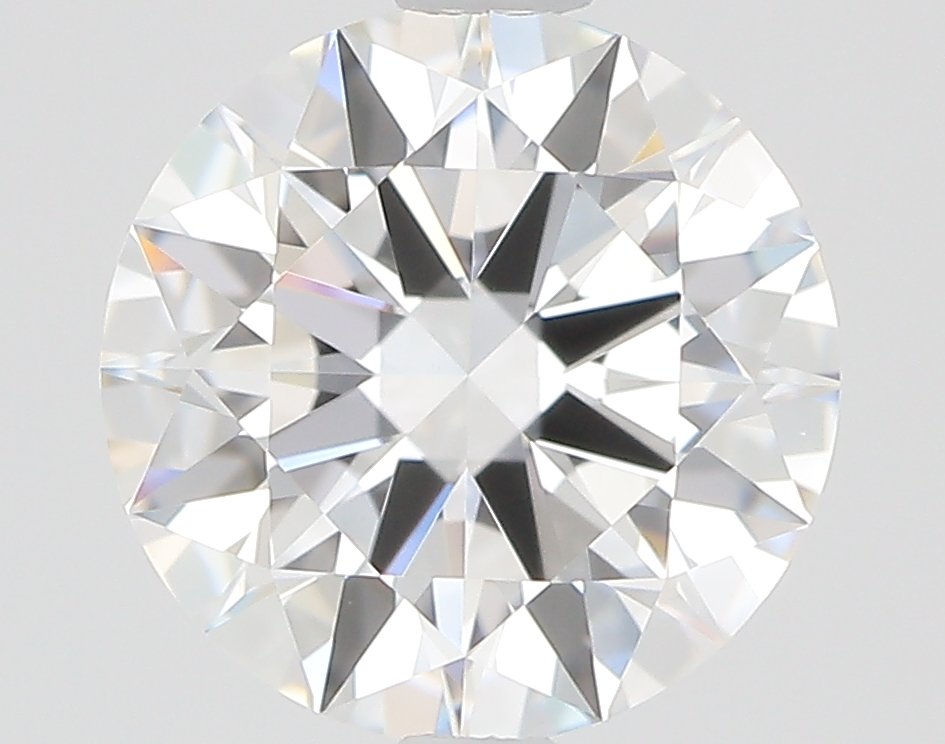
1.00 ct Round Brilliant, GIA Certified
- Carat: 1.00
- Color: D (colorless)
- Clarity: VVS2
- Cut: Excellent
- Polish & Symmetry: Excellent / Excellent
- Fluorescence: Faint
- Measurements: 6.48-6.51 × 3.90 mm
- Certification: GIA report no. 6521350922
This is a typical example of the kind of balanced, high-performance natural diamonds we select at HEA.
Verify this report on GIAThe most important c
Cut, Where the Magic Happens
Cut is where a diamond either comes alive… or doesn't. It determines how efficiently the stone catches light and returns it back to your eye as sparkle, fire, and contrast.
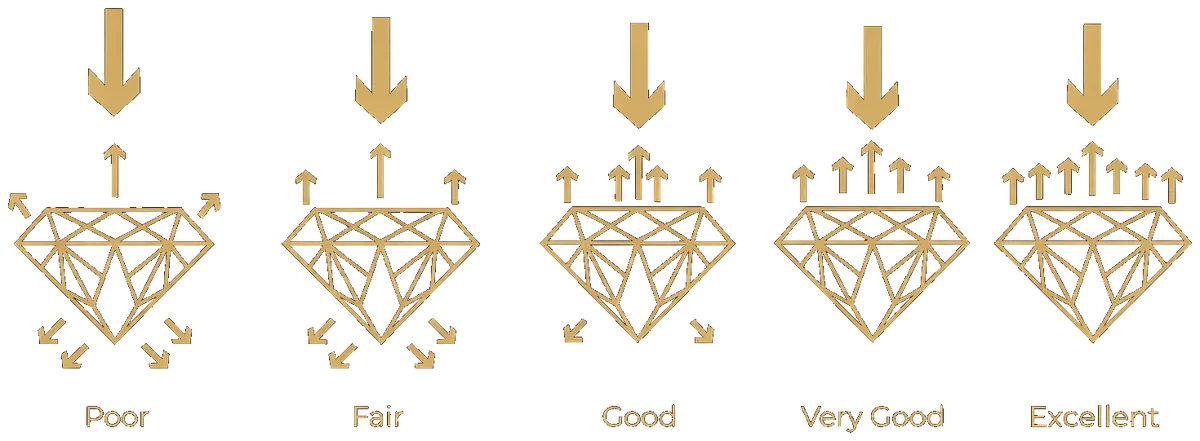
Why Cut Matters Most
A well-cut diamond will sparkle brilliantly even with lower color or clarity grades. A poorly cut diamond will look dull regardless of how colorless or flawless it is.
HEA guidance: Our example 1.00 ct diamond is graded Excellent for cut, with excellent polish and symmetry. When in doubt, prioritize cut above everything else, it's the biggest factor in how your diamond sparkles.
See diamonds with Excellent cut →The nuance of white
Color, From D to Z
Color measures how much warmth (or lack of it) you see in a diamond. The GIA scale runs from D (colorless) down to Z (noticeable color).
 D
D E
E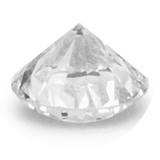 F
F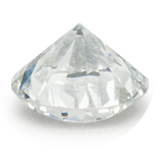 G
G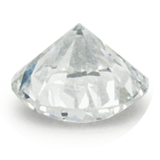 H
H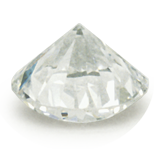 I
I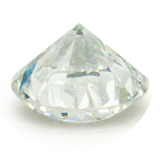 J
J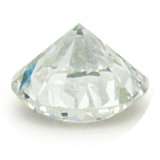 K
K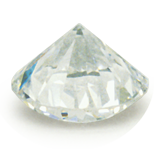 L
L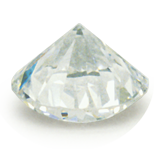 M
M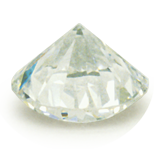 N
N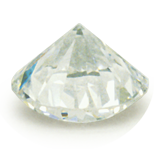 O
O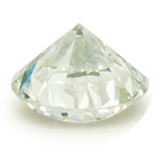 P
P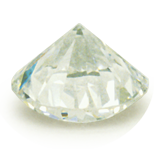 Q
Q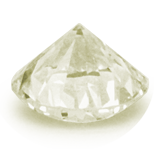 R
R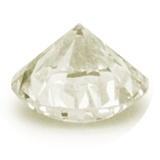 S
S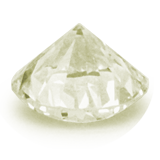 T
T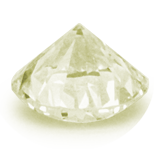 U
U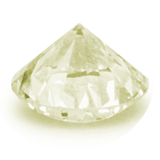 V
V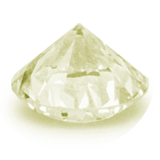 W
W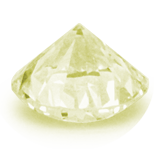 X
X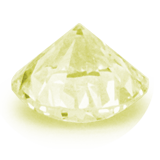 Y
Y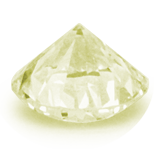 Z
ZHEA guidance: You don't have to be at D to enjoy a diamond that looks beautifully white. For platinum or white gold we typically recommend D,H; for yellow or rose gold, G,J usually offers outstanding value while still looking bright once set.
Browse D,H color diamonds →Peace of mind
Clarity, Tiny Details, Big Confidence
Clarity looks at the natural inclusions and surface features inside and on the surface of a diamond. Almost every diamond has them; what matters is whether you can see them.
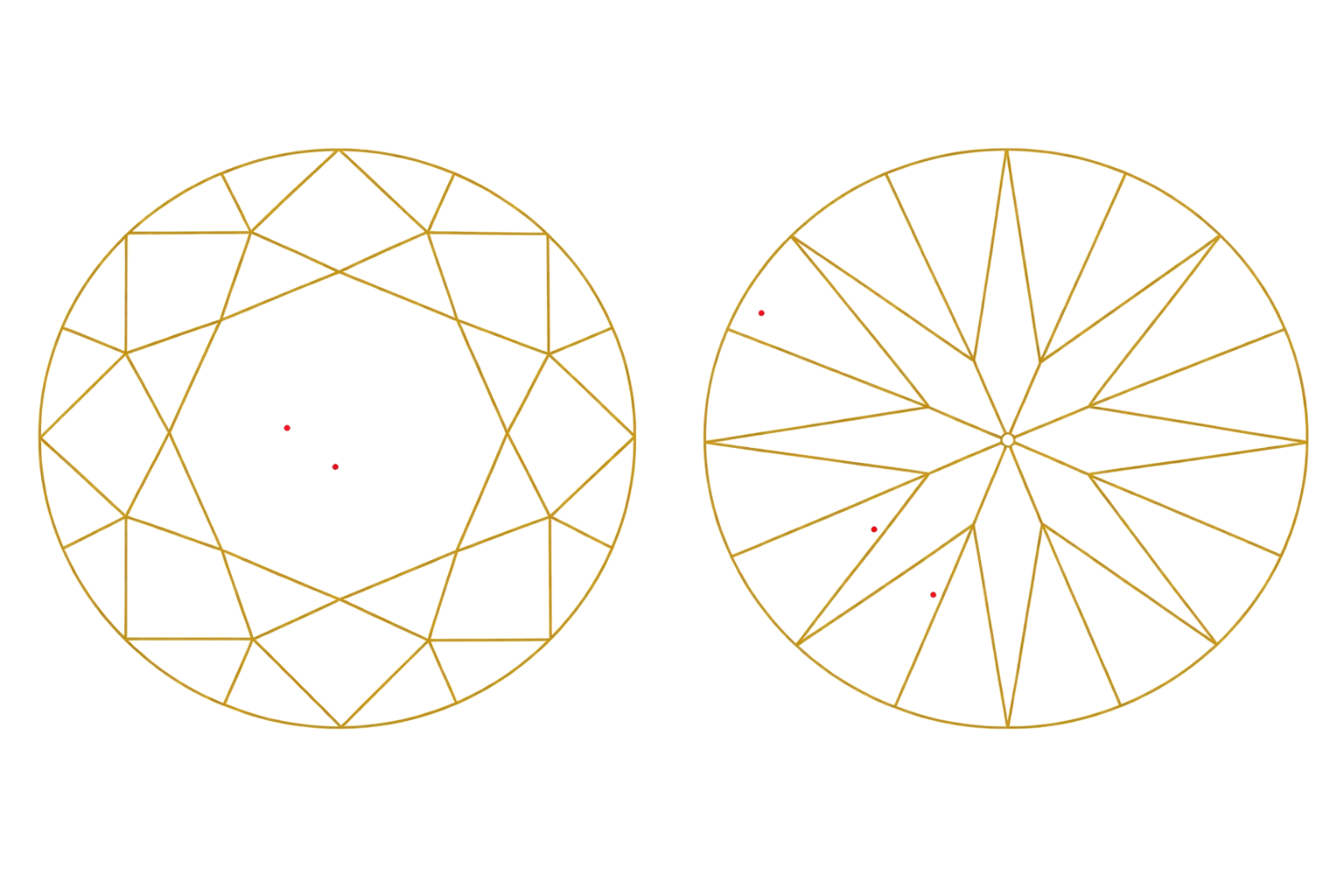
Understanding Clarity Grades
Our HEA example diamond is VVS2, its inclusions are extremely difficult to see even under magnification, and completely invisible in everyday wear.
HEA guidance: For most engagement rings, we focus on "eye-clean" clarity, diamonds that look clear without magnification. VS1,SI1 often gives an ideal balance of beauty and value.
Shop eye-clean clarity diamonds →Size & presence
Carat, Presence, Not Just a Number
Carat measures weight, but what you actually feel is presence on the hand: how large the diamond appears from above and how it balances with the setting and finger.
Compare Carat Sizes
Drag the handles to compare different carat weights side by side
Diamond images are for reference only and may vary based on screen size
HEA guidance: We often look just below common carat marks (0.90 ct, 1.40 ct, etc.) to find exceptional value while keeping strong visual presence.
Explore around 1.00 ct diamonds →Find your style
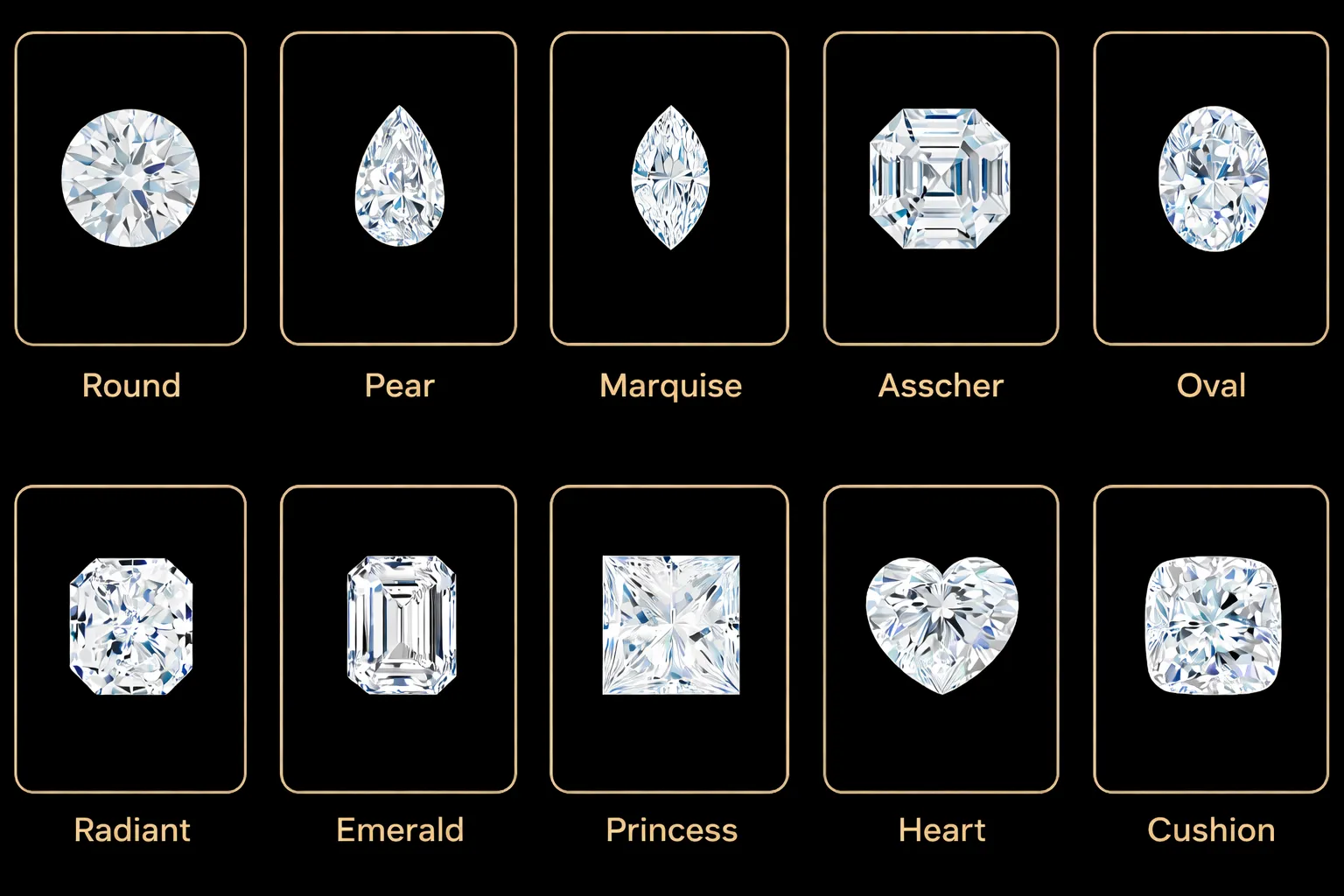
Diamond Shapes
Shape defines the personality of a ring: how it catches light, how large it appears, and how it feels on the hand. Explore the most popular shapes below.
Trust & transparency
Diamond Certifications
A grading report is an independent document that records a diamond's characteristics. It protects your trust and helps you compare stones objectively.
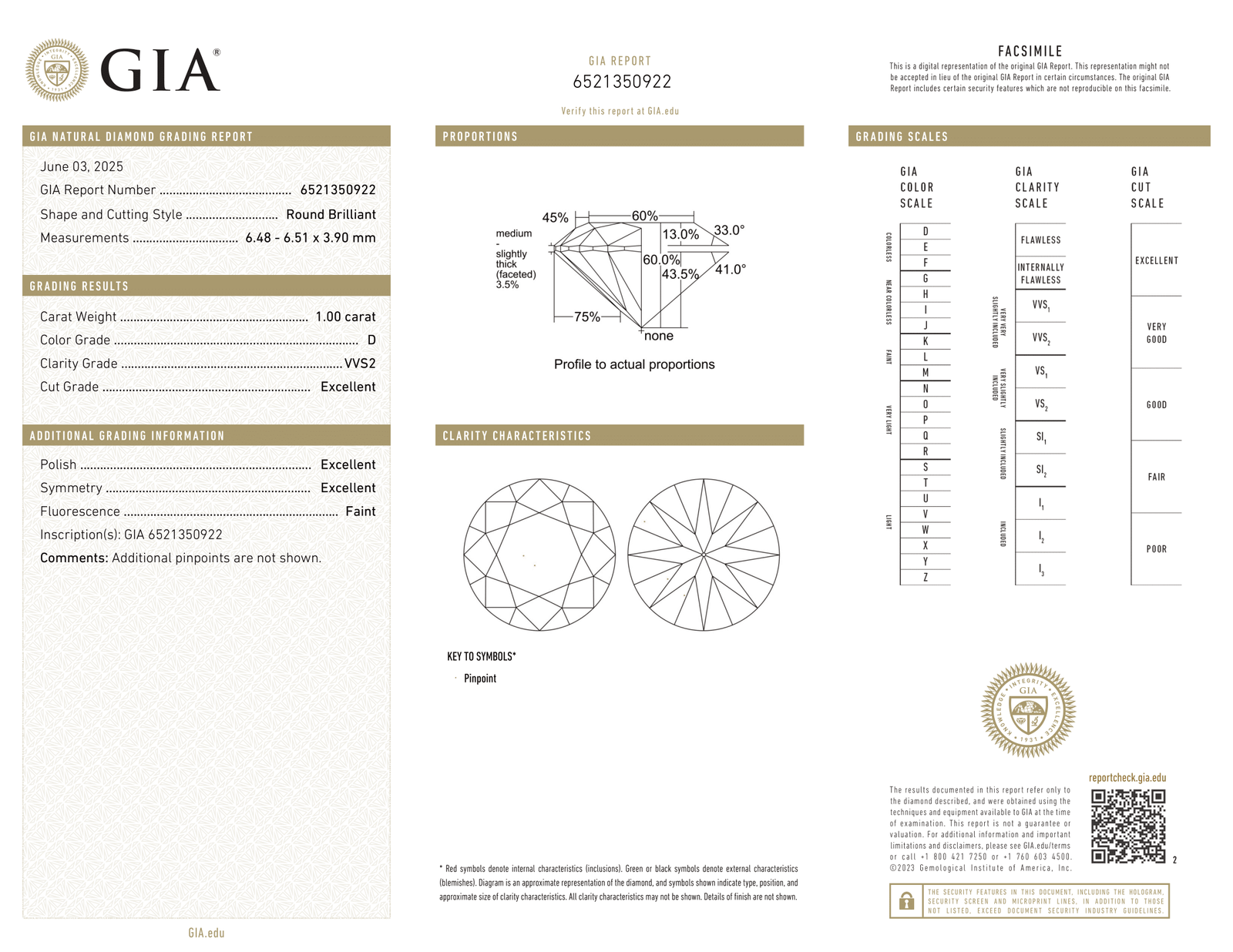
How to Read a GIA Report
A GIA report can look intimidating at first glance, but it's simply a structured way to record what your diamond is:
- Report number: At the top of the document, the same number laser-inscribed on the stone.
- 4Cs summary: Carat, color, clarity, and cut listed together.
- Measurements & proportions: The physical dimensions that drive light performance.
- Clarity diagram: A map of where inclusions are located.
- Additional info: Fluorescence, polish, symmetry, and comments.
Smart choices
Recommended Specs by Budget
Every client starts from a different place. These ranges aren't rules, they're calm, realistic starting points that we can refine together.
Up to €3,000
- Type: Often lab-grown for maximum size and sparkle
- Color: G,H
- Clarity: VS2,SI1 (eye-clean)
- Cut: Excellent / Very Good only
- Carat: 0.70-1.20 ct
€3,000, €7,000
- Type: Natural and lab-grown options
- Color: H,I for natural, G,H for lab
- Clarity: VS2,SI1 (eye-clean)
- Cut: Excellent preferred
- Carat: 0.80-1.20 ct natural
€7,000 and Above
- Type: Primarily natural diamonds
- Color: D,F for very white; G,H for balance
- Clarity: VVS,VS for perfection
- Cut: Excellent, strong light performance
- Carat: 1.00 ct and above
These are starting points, not boxes. The most important part is how the diamond feels to you when you see it.
Start your journey
Explore HEA Diamonds
Talk to a Diamond Expert
You don't have to navigate this alone. We'll walk you through real stones, side by side, until one feels unmistakably right.
Book a Consultation
Yours.
When you know what you want, we are ready to make it.
Begin yours →