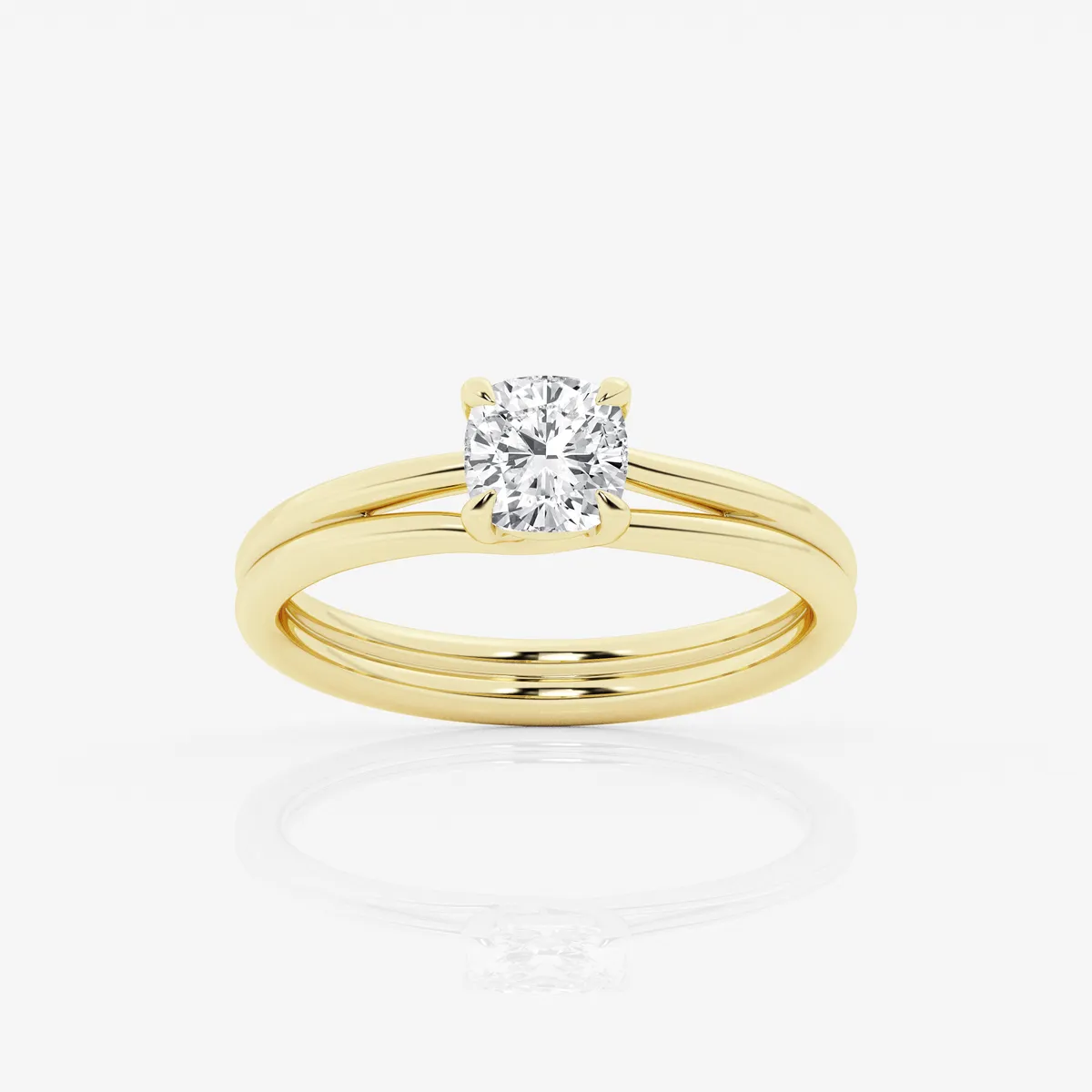
Introduction to the 4Cs
The 4Cs of diamonds,Cut, Color, Clarity, and Carat,were established by the Gemological Institute of America (GIA) in the 1950s as a universal standard for evaluating diamond quality. Before this system, there was no agreed-upon method to describe diamonds, making it difficult for buyers to understand what they were purchasing.
Today, the 4Cs serve as the global language of diamond quality. Every certified diamond is graded according to these four characteristics, allowing you to compare diamonds objectively and make informed decisions. Understanding how these factors interact will help you find the perfect diamond that balances beauty and value within your budget. For a deeper dive, visit our comprehensive diamond education center.
Key Insight
The 4Cs don't exist in isolation,they work together to create a diamond's overall appearance. A diamond with excellent cut can make slight compromises in color or clarity less noticeable, while poor cut can make even a flawless diamond appear dull.
Diamond Cut: The Most Important C
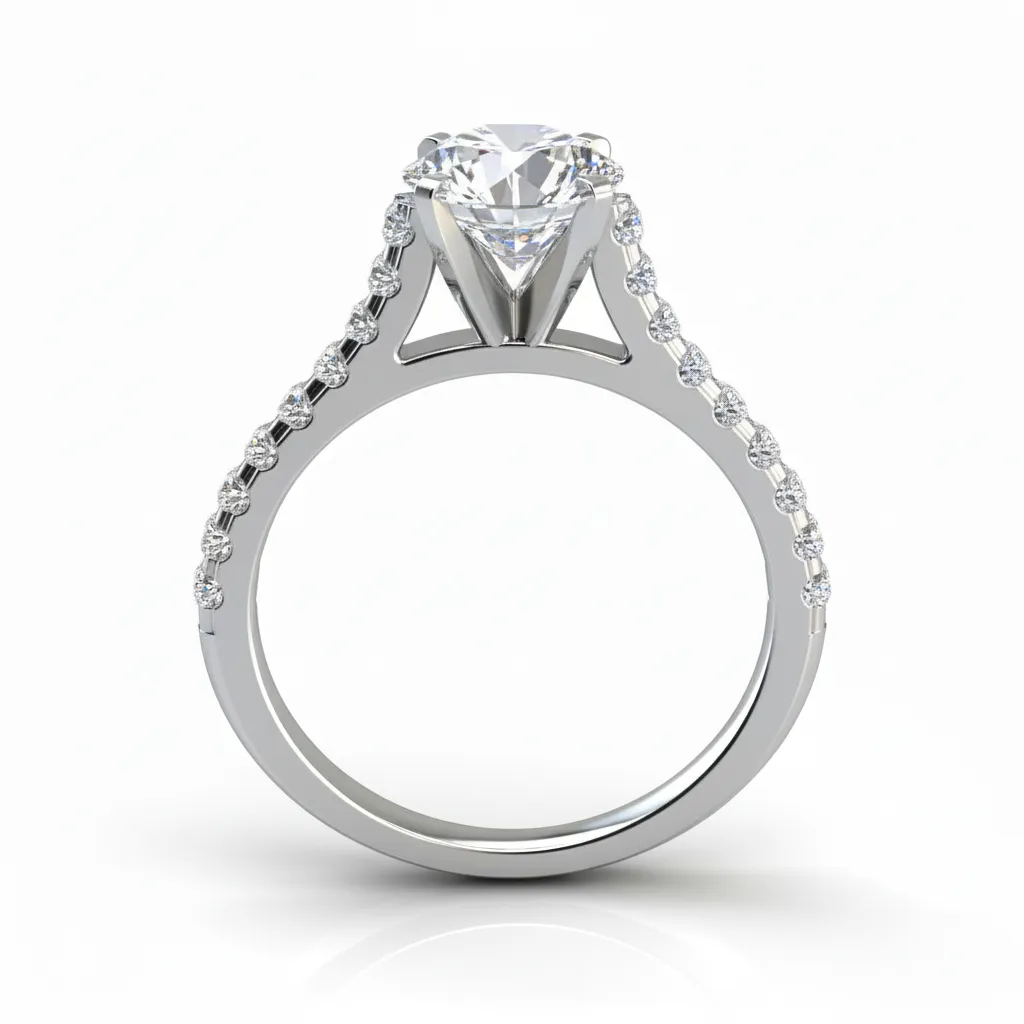
Cut is widely considered the most important of the 4Cs because it has the greatest impact on a diamond's beauty. While color and clarity occur naturally, cut is determined by human craftsmanship. A well-cut diamond will exhibit exceptional brilliance (white light return), fire (rainbow colors), and scintillation (sparkle pattern).
Understanding Cut Grade
Cut grade evaluates how well a diamond's facets interact with light. The GIA grades round brilliant diamonds on a scale from Excellent to Poor, while the American Gem Society (AGS) uses a 0-10 scale with 0 being ideal:
| Cut Grade | Light Performance | Recommendation |
|---|---|---|
| Excellent | Maximum brilliance, fire, and scintillation | Highly recommended |
| Very Good | Outstanding light performance | Excellent value option |
| Good | Good brilliance with some light leakage | Budget-friendly choice |
| Fair | Noticeable light leakage | Not recommended |
| Poor | Significant light leakage, dull appearance | Avoid |
The Three Components of Diamond Sparkle
- Brilliance: The total white light reflected from a diamond. A well-cut diamond acts like a mirror, bouncing light back to your eyes.
- Fire: The dispersion of light into spectral colors (rainbow effect). This creates flashes of color as the diamond moves.
- Scintillation: The pattern of light and dark areas and the sparkle you see as the diamond, light, or observer moves.
Cut Proportions Matter
The ideal cut proportions ensure light enters the diamond, bounces between facets, and exits through the top (table). If a diamond is cut too shallow, light escapes through the bottom. If cut too deep, light exits through the sides. Both result in diminished brilliance.
Pro Tip
Never compromise on cut quality. An Excellent cut 0.9 carat diamond will appear more beautiful than a Poor cut 1.1 carat diamond, even though it weighs less. The cut determines how much the diamond "comes alive" with light. When you're ready to choose your engagement ring, make cut your top priority.
Diamond Color: Understanding the Scale
Diamond color refers to the absence of color in a diamond. The GIA color scale ranges from D (colorless) to Z (light yellow or brown). The closer a diamond is to colorless, the rarer and more valuable it becomes.
The GIA Color Scale
Colorless (D-F)
The rarest and most valuable. D is completely colorless, with E and F showing minute traces of color detectable only by expert gemologists. These diamonds are ideal for platinum or white gold settings.
Near Colorless (G-J)
Excellent value. Color is difficult to detect unless compared side-by-side with higher grades. G-H diamonds appear colorless face-up and offer the best balance of quality and value.
Faint Yellow (K-M)
Slight warmth visible. Can work beautifully in yellow gold settings where the warm metal complements the diamond's tint.
Very Light (N-R) to Light (S-Z)
Noticeable yellow or brown tint. Generally not recommended for engagement rings unless the buyer specifically desires a warmer look.
Color and Setting Metal
Your choice of setting metal should influence your color choice. Learn more in our complete guide to ring metals:
- Platinum/White Gold: D-H colors work best, as the white metal emphasizes any warmth
- Yellow Gold: G-K colors are excellent, as the warm metal masks slight yellow tints
- Rose Gold: G-J colors complement the warm, pink hue of the metal
Value Tip
G and H color diamonds represent the sweet spot for most buyers. They appear colorless to the naked eye, especially when mounted, yet cost significantly less than D-F grades. The difference is only detectable under laboratory conditions.
Diamond Clarity: Inclusions Explained
Clarity measures the absence of inclusions (internal characteristics) and blemishes (external characteristics). Natural diamonds form under extreme heat and pressure, and most contain tiny imperfections called inclusions. The fewer and smaller these inclusions, the higher the clarity grade. This natural formation process is one key difference when comparing natural and lab-grown diamonds.
The GIA Clarity Scale
FL (Flawless)
No inclusions or blemishes visible under 10x magnification. Extremely rare,less than 1% of diamonds achieve this grade.
IF (Internally Flawless)
No inclusions, only minor surface blemishes under 10x magnification. Also very rare.
VVS1-VVS2 (Very, Very Slightly Included)
Inclusions so slight they're difficult for skilled graders to see under 10x magnification.
VS1-VS2 (Very Slightly Included)
Minor inclusions ranging from difficult (VS1) to somewhat easy (VS2) to see under 10x magnification. Best value for most buyers.
SI1-SI2 (Slightly Included)
Inclusions noticeable under 10x magnification. SI1 inclusions are usually not visible to the naked eye; SI2 may be.
I1-I3 (Included)
Inclusions obvious under 10x magnification and may affect transparency and brilliance. Generally not recommended.
Types of Inclusions
- Feathers: Small fractures that resemble feathers
- Crystals: Mineral crystals trapped inside the diamond
- Clouds: Groups of tiny pinpoints that can affect transparency
- Needles: Long, thin crystal inclusions
- Pinpoints: Very small crystals that appear as tiny dots
Eye-Clean Diamonds
The concept of "eye-clean" is crucial for value-conscious buyers. An eye-clean diamond has no inclusions visible to the naked eye when viewed face-up at a normal viewing distance (about 6-12 inches). VS2 and SI1 diamonds are often eye-clean, offering significant savings compared to VVS or FL grades.
Pro Tip
Location matters as much as size. An inclusion near the edge of a diamond may be hidden by the setting, while a similar inclusion under the table (center) will be more noticeable. Always request to see actual diamond photos or videos before purchasing. Browse our diamond collection to view high-resolution imagery of each stone.
Carat Weight: Size vs. Quality
Carat is a unit of weight, not size,one carat equals 200 milligrams or 0.2 grams, a standard established by the GIA's carat weight system. It's the most misunderstood of the 4Cs because people often assume a diamond twice the carat weight will appear twice as large, which isn't true.
Carat vs. Visual Size
Because diamonds are three-dimensional, a 1 carat diamond doesn't look twice as big as a 0.5 carat diamond. Here's a comparison for round brilliant diamonds:
| Carat Weight | Approximate Diameter | Visual Comparison |
|---|---|---|
| 0.25 ct | 4.1 mm | Small, delicate |
| 0.50 ct | 5.2 mm | Classic, elegant |
| 0.75 ct | 5.9 mm | Noticeable presence |
| 1.00 ct | 6.5 mm | Popular benchmark |
| 1.50 ct | 7.4 mm | Substantial size |
| 2.00 ct | 8.2 mm | Statement piece |
The Price Jump at "Magic Numbers"
Diamond prices jump significantly at certain "magic" carat weights,0.50, 0.75, 1.00, 1.50, and 2.00 carats. A 0.99 carat diamond can cost 10-20% less than a 1.00 carat diamond of identical quality, while appearing virtually the same size.
Carat and Diamond Shape
Different shapes carry their weight differently. Elongated shapes like oval, marquise, and pear often appear larger than round diamonds of the same carat weight because more of their surface area is visible face-up. Oval cuts and hidden halo settings are particularly popular right now,see our 2026 engagement ring trends guide for more on what's trending.
Smart Shopping Tip
Consider diamonds just below magic numbers (0.90-0.99 ct instead of 1.00 ct). The visual difference is imperceptible, but the savings can be substantial. Use those savings to upgrade cut quality instead.
How to Prioritize the 4Cs
With a fixed budget, you'll need to make trade-offs between the 4Cs. Here's how diamond experts recommend prioritizing:
The Recommended Priority Order
-
1. Cut (Never Compromise)
Cut determines brilliance. An Excellent cut transforms a diamond into a stunning light show. Never go below Very Good cut, regardless of budget.
-
2. Color (Smart Compromise)
Choose G-H for white gold or platinum settings, I-J for yellow gold. The color difference from D is invisible once mounted and saves significant money.
-
3. Clarity (Eye-Clean Focus)
VS2 or SI1 clarity is typically eye-clean. Paying for VVS or FL grades means paying for characteristics only visible under magnification.
-
4. Carat (Flexible Based on Budget)
After optimizing cut, color, and clarity, maximize carat within your remaining budget. Consider shy carats (0.90, 1.90) for better value.
Budget-Based Recommendations
Maximize Appearance Budget
Excellent Cut | G-H Color | VS2-SI1 Clarity | Largest carat in budget
Best for: Those who want the most impressive-looking diamond for their budget
Premium Quality Budget
Excellent Cut | D-F Color | VVS2-VS1 Clarity | Moderate carat
Best for: Those who want top grades for inheritance or investment value
Maximum Size Budget
Very Good Cut | I-J Color | SI1 Clarity | Maximum carat
Best for: Those who prioritize size above all else
The Importance of Certification
A diamond certificate (grading report) from a reputable laboratory verifies the 4Cs and provides crucial information for comparing diamonds. Always purchase certified diamonds.
Top Grading Laboratories
- GIA (Gemological Institute of America): The gold standard in diamond grading. Most consistent and widely trusted.
- AGS (American Gem Society): Known for stringent cut grading. Uses 0-10 scale with 0 being ideal.
- IGI (International Gemological Institute): Widely used, particularly for lab-grown diamonds.
What to Look for on a Certificate
- All 4Cs grades
- Diamond measurements and proportions
- Fluorescence grade
- Clarity plot showing inclusion locations
- Unique report number (verify on lab's website)
Warning
Be cautious of diamonds graded by lesser-known labs or in-house certifications. These may inflate grades to make diamonds appear better than they are. GIA and AGS maintain strict, consistent standards.
Frequently Asked Questions
Which of the 4Cs is most important?
Cut is generally considered the most important because it has the greatest impact on a diamond's brilliance and sparkle. A well-cut diamond will appear more brilliant and can make slight compromises in color or clarity less noticeable.
What is the best diamond color grade?
D color is the highest grade (colorless), but most people cannot distinguish between D-F grades without professional equipment. G-H color diamonds offer excellent value as they appear colorless to the naked eye while being significantly more affordable.
What clarity grade should I choose?
VS1-VS2 clarity grades offer the best value for most buyers. These diamonds have minor inclusions that are not visible to the naked eye. SI1 can also be excellent if you verify the inclusions are not visible when viewing the diamond face-up.
Is a 1 carat diamond twice as big as 0.5 carat?
No, carat is a measure of weight, not size. A 1 carat round diamond is approximately 6.5mm in diameter, while a 0.5 carat is about 5.2mm. The visual size difference is about 25%, not 50%. Diamond prices increase exponentially with carat weight.
What makes a diamond sparkle?
A diamond's sparkle comes primarily from its cut quality. The cut determines how light enters the diamond, bounces internally, and returns to your eye. Excellent cut diamonds have ideal proportions that maximize brilliance (white light return), fire (rainbow colors), and scintillation (sparkle pattern).
Making Your Decision
Understanding the 4Cs empowers you to make an informed diamond purchase. Remember that the "perfect" diamond doesn't exist,only the diamond that's perfect for you. Consider what matters most: maximum sparkle (prioritize cut), pristine quality (prioritize clarity), pure color (prioritize color grade), or impressive size (prioritize carat).
At HEA Diamonds, every diamond in our collection is GIA certified and hand-selected for exceptional quality. Our experts are here to help you navigate the 4Cs and find a diamond that exceeds your expectations while respecting your budget. Once you've found your perfect stone, learn how to care for your diamond to maintain its brilliance for generations.
Ready to Find Your Perfect Diamond?
Explore our collection of GIA-certified diamonds or create a custom ring with our design studio.