Introduction
The diamond market has transformed dramatically over the past decade with the rise of lab-grown diamonds. Today, buyers face a choice that didn't exist a generation ago: natural diamonds formed over billions of years deep within the Earth, or lab-grown diamonds created in a matter of weeks using advanced technology.
Both options are real diamonds,chemically, physically, and optically identical. Yet they differ significantly in origin, price, resale value, and the values they represent. This guide provides an objective, comprehensive comparison to help you understand both options and make a decision that aligns with your priorities. For foundational knowledge before diving in, review our complete diamond education guide.
Key Point
There is no universally "better" choice. The right diamond depends on what matters most to you: budget, size, rarity, heritage, resale value, or personal values. This guide will help you understand the tradeoffs.
What Are Natural & Lab-Grown Diamonds?
Natural Diamonds
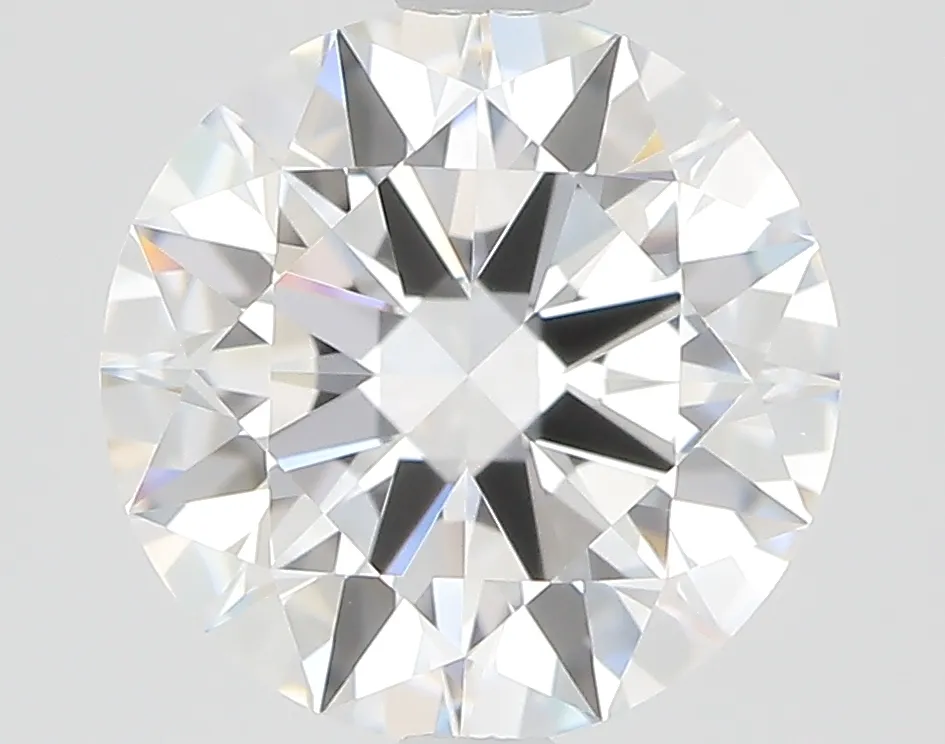
Natural diamonds are formed 90-120 miles beneath the Earth's surface under extreme heat (2,000°F+) and pressure (725,000 pounds per square inch). This process takes 1 to 3.3 billion years. Volcanic eruptions bring these diamonds to the surface through kimberlite pipes, where they're eventually mined.
Each natural diamond is unique, with formation characteristics that tell the story of its journey through time. They're among the oldest objects you can own,older than dinosaurs, older than most of Earth's surface features.
Lab-Grown Diamonds
Lab-grown diamonds (also called lab-created, synthetic, or cultured diamonds) are produced in controlled laboratory environments that replicate the conditions under which natural diamonds form. Two primary methods are used:
HPHT (High Pressure, High Temperature)
Mimics natural diamond formation using presses that generate extreme pressure and heat. A diamond seed is placed in carbon, and the conditions cause carbon atoms to crystallize around the seed. This method was developed in the 1950s.
CVD (Chemical Vapor Deposition)
A newer method that uses a hydrocarbon gas mixture in a vacuum chamber. The gases are ionized into plasma, breaking down the molecules, and carbon atoms deposit onto a diamond seed layer by layer. This method produces high-quality diamonds efficiently.
Lab diamonds typically take 2-4 weeks to grow, depending on size and quality. Both methods produce diamonds that are chemically identical to natural diamonds: pure crystallized carbon with the same hardness (10 on Mohs scale), refractive index, and optical properties.
Physical & Optical Properties
This is where many people are surprised: natural and lab-grown diamonds are physically and chemically identical. Both are made of pure carbon atoms arranged in a crystal structure. Here's how they compare:
| Property | Natural Diamond | Lab-Grown Diamond |
|---|---|---|
| Chemical Composition | Pure Carbon (C) | Pure Carbon (C) |
| Hardness (Mohs) | 10 | 10 |
| Refractive Index | 2.42 | 2.42 |
| Thermal Conductivity | Excellent | Excellent |
| Brilliance & Fire | Excellent | Excellent |
| Durability | Excellent | Excellent |
| Passes Diamond Tester | Yes | Yes |
Can Anyone Tell the Difference?
Visually, no. Gemologists cannot distinguish between natural and lab-grown diamonds using standard equipment or visual inspection. Both types are graded using the same 4Cs criteria and can achieve identical grades.
Specialized laboratory equipment can detect differences in growth patterns, trace elements, and fluorescence characteristics. That's why reputable lab diamonds are laser-inscribed on the girdle with identification numbers and "Lab-Grown" or "LG" markings. The FTC Jewelry Guides require clear disclosure of lab-grown origin.
The Bottom Line
On your finger, both types will sparkle identically. Your friends, family, and coworkers cannot tell the difference. The choice between them isn't about visual appearance,it's about what the diamond represents to you.
Price Comparison
Price is the most significant practical difference between natural and lab-grown diamonds. Lab-grown diamonds typically cost 60-80% less than comparable natural diamonds.
2026 Price Comparison Example
For a 1.5 carat, Excellent cut, G color, VS2 clarity round brilliant diamond:
Natural Diamond
Price reflects rarity, mining costs, and market demand for finite supply
Lab-Grown Diamond
Price reflects production costs, which continue to decrease
Why Such a Big Price Difference?
- Supply: Natural diamonds are finite; lab diamonds can be produced indefinitely
- Time: Natural diamonds take billions of years; lab diamonds take weeks
- Production costs: Lab diamond production is becoming increasingly efficient
- Rarity premium: Natural diamonds command a premium for their geological rarity
Price Trends
Lab-grown diamond prices have dropped significantly over the past five years and continue to decline as production technology improves. Natural diamond prices have remained relatively stable, supported by controlled supply and consistent demand for rare, natural gems.
What This Means For You
If your priority is maximizing carat size within a fixed budget, lab-grown diamonds offer significantly more bang for your buck. A lab diamond budget of $5,000 can buy a stone that would cost $20,000+ as a natural diamond.
Resale Value & Investment Potential
This is where natural and lab-grown diamonds diverge significantly. Resale value matters if you ever plan to sell, upgrade, or pass down your diamond.
Natural Diamond Resale
- Typically retain 30-50% of retail value when resold
- Rare, high-quality stones (D-F, VVS+, 2+ carats) can appreciate over time
- Established resale market with diamond buyers, auctions, and dealers
- Value is supported by finite supply and enduring demand
- Can be passed down as family heirlooms with preserved value
Lab-Grown Diamond Resale
- Typically retain only 10-30% of retail value
- As production increases and costs drop, older lab diamonds lose value
- Limited resale market,most jewelers don't buy back lab diamonds
- No scarcity to support long-term value
- Not considered investment-grade or suitable for generational wealth transfer
| Scenario | Natural Diamond | Lab-Grown Diamond |
|---|---|---|
| Purchase Price (1.5ct G VS2) | $13,000 | $3,000 |
| Resale Value (5 years later) | $5,000 - $7,000 | $300 - $900 |
| Value Retained | ~40-50% | ~10-30% |
Important Consideration
If resale value or passing down jewelry to future generations is important to you, natural diamonds are the clear choice. Lab diamonds should be viewed as a consumable purchase, similar to a car,you're buying it to enjoy, not as a store of value.
Environmental Impact
Environmental impact is often cited as a reason to choose lab diamonds, but the reality is more nuanced than marketing suggests. Both options have environmental footprints,they're just different.
Lab-Grown Diamond Environmental Impact
- Energy consumption: Growing a 1-carat diamond requires 250-750 kWh of electricity
- Energy source matters: Many facilities use non-renewable energy (coal, natural gas)
- Carbon footprint: Studies estimate 50-200 kg CO2 per polished carat
- No land disturbance: Production facilities have minimal land impact
- Renewable potential: Facilities powered by renewable energy have lower footprints
Natural Diamond Environmental Impact
- Land disturbance: Mining operations disturb land (though often rehabilitated)
- Water usage: Mining requires water management systems
- Carbon footprint: Estimates vary widely (5-160 kg CO2 per carat depending on mine)
- Habitat rehabilitation: Modern mines have strict reclamation requirements
- Conservation efforts: Some mining companies protect large wildlife areas
The Reality
Neither option is definitively "green." The environmental impact depends heavily on the specific producer:
- A lab diamond grown with coal-powered electricity may have a larger carbon footprint than some natural diamond mines
- A lab diamond grown with renewable energy has a smaller footprint
- Some natural diamond mines are carbon-neutral or even carbon-negative
- Mining can support conservation by setting aside protected areas
Environmental Perspective
If environmental impact is your primary concern, research the specific producer. Look for lab diamonds grown with certified renewable energy, or natural diamonds from mines with strong environmental certifications and conservation programs.
Ethical Considerations
Ethics was a major driver of early lab diamond adoption due to concerns about "blood diamonds." However, the ethical landscape has evolved significantly.
Natural Diamond Ethics Today
- Kimberley Process: Established in 2003, certifies diamonds as conflict-free
- Economic impact: Diamond mining supports 10 million people globally, particularly in developing nations
- Community development: Mining companies often build schools, hospitals, and infrastructure
- Modern oversight: Major producers (De Beers, Rio Tinto, etc.) have extensive compliance programs
- Canadian/Australian diamonds: Mined under strict labor and environmental laws with full traceability
Lab-Grown Diamond Ethics
- No mining: Eliminates mining-related concerns entirely
- Factory conditions: Labor conditions vary by facility and country
- Less community impact: Doesn't provide economic support to mining communities
- Energy ethics: Some facilities use energy from ethically questionable sources
The Bigger Picture
The "conflict diamond" issue, while still serious, represents less than 1% of the global diamond trade today. Choosing natural diamonds from reputable sources (especially Canadian, Australian, or Botswana diamonds) supports communities while ensuring ethical sourcing.
Lab diamonds remove mining from the equation but don't automatically mean "ethical." Production conditions, worker treatment, and energy sources vary by manufacturer.
Ethical Shopping
For maximum ethical confidence, choose natural diamonds from Canada or other strictly regulated countries, or lab diamonds from manufacturers with transparent, renewable energy commitments. Ask retailers about their sourcing practices.
Which Should You Choose?
After examining all factors, the choice comes down to your personal priorities. Here's a decision framework:
Choose Natural Diamonds If:
- Rarity matters: You value owning something genuinely rare, formed over billions of years,explore our natural diamond collection
- Heritage & tradition: The idea of a natural, Earth-created gem is meaningful to you
- Resale value: You want your diamond to retain value for upgrades or to pass down
- Investment potential: You're considering high-quality stones that may appreciate
- Supporting communities: You want to support diamond mining communities and economies
- Romantic symbolism: The connection between a billion-year-old diamond and "forever" resonates with you,see our engagement ring guide for more inspiration
Choose Lab-Grown Diamonds If:
- Budget priority: Maximizing size and quality within your budget is most important,learn how to prioritize the 4Cs effectively
- Size matters: You want the largest possible diamond and aren't concerned about resale
- No mining preference: You prefer products that don't involve mining
- Immediate value: You view the ring as something to enjoy rather than an investment
- Technology appreciation: You find the science of creating diamonds fascinating
- Fashion jewelry: For fashion pieces you'll update regularly, lab diamonds make sense
Our Perspective
At HEA Diamonds, we specialize in natural diamonds because we believe in their enduring value, rarity, and the profound connection to Earth's history. A natural diamond is one of the oldest things you'll ever touch, formed before life existed on our planet.
That said, we respect that different buyers have different priorities. Both options are real diamonds that will sparkle beautifully for a lifetime. Learn how to care for your diamond jewelry to maintain its brilliance. The "right" choice is the one that aligns with your values and makes you happy.
Frequently Asked Questions
Are lab-grown diamonds real diamonds?
Yes, lab-grown diamonds are real diamonds. They have the exact same chemical composition (pure carbon), crystal structure, and optical properties as natural diamonds. The only difference is their origin: natural diamonds form over billions of years underground, while lab diamonds are created in weeks using advanced technology.
Can jewelers tell the difference between natural and lab diamonds?
No, jewelers cannot tell the difference visually or using standard gemological tools. Both types pass a diamond tester. Specialized laboratory equipment that detects growth patterns and trace elements is required to distinguish between them. All reputable lab diamonds are laser-inscribed for identification.
Why are lab-grown diamonds so much cheaper?
Lab-grown diamonds are 60-80% cheaper because they can be produced in weeks rather than requiring billions of years to form. The supply is unlimited and production costs continue to decrease. Natural diamonds' higher price reflects their rarity,they require specific geological conditions and are finite in supply.
Do lab diamonds hold their value?
Lab-grown diamonds have poor resale value, typically 10-30% of retail price. As production becomes more efficient, prices continue to decline. Natural diamonds retain 30-50% of retail value and rare, high-quality stones can appreciate. If resale value matters, natural diamonds are the better choice.
Are lab-grown diamonds more eco-friendly?
The environmental comparison is complex. Lab diamond production requires significant energy (250-750 kWh per carat), often from non-renewable sources. Natural diamond mining impacts land but modern mines have strict environmental programs and support local communities. Neither option is definitively "greener" without examining specific production methods.
Which should I choose for an engagement ring?
Choose natural diamonds if you value rarity, heritage, resale value, or a connection to nature's creation. Choose lab diamonds if you prioritize getting the largest diamond for your budget and aren't concerned about resale. Both make beautiful engagement rings,the right choice depends on your personal values and priorities.
Making Your Decision
The natural vs. lab-grown diamond debate ultimately comes down to what matters most to you. Both are genuine diamonds that will dazzle on your finger. Natural diamonds offer rarity, heritage, and resale value. Lab-grown diamonds offer maximum size for your budget.
At HEA Diamonds, we're here to help you find the perfect diamond regardless of your preference. Our GIA-certified natural diamond collection is curated for exceptional quality, and our experts can guide you through every aspect of your purchase.
Explore Our Natural Diamond Collection
Browse our selection of GIA-certified natural diamonds, each hand-selected for exceptional quality and brilliance.